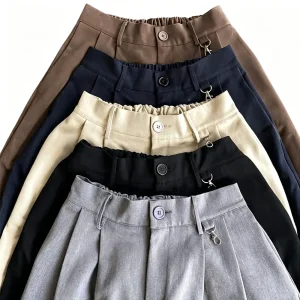
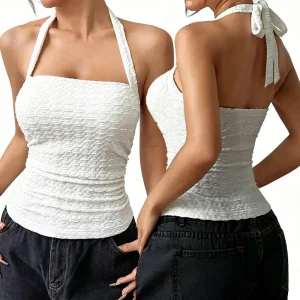
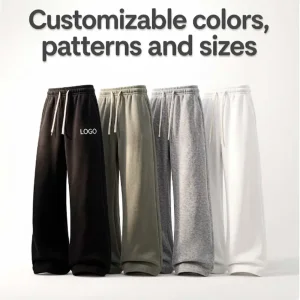
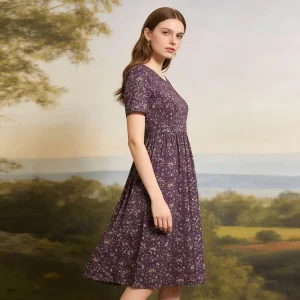
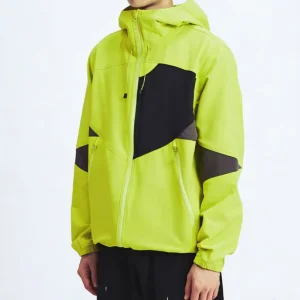
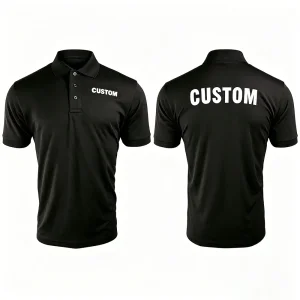
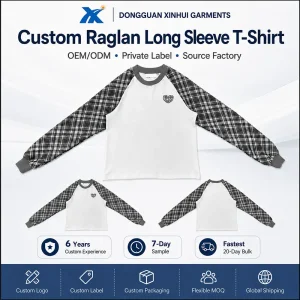
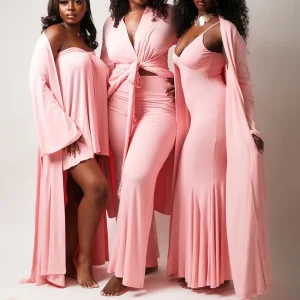
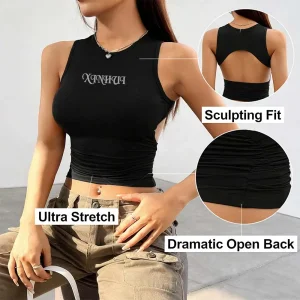
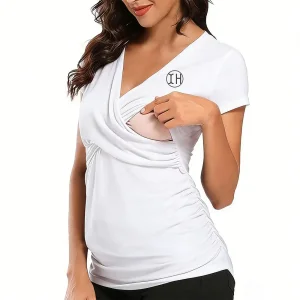
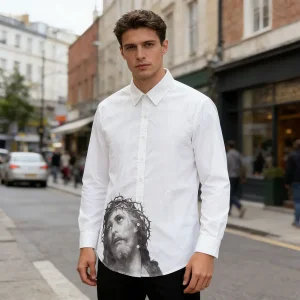
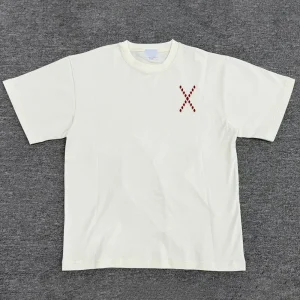
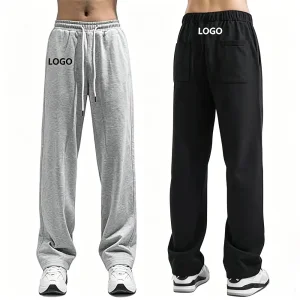
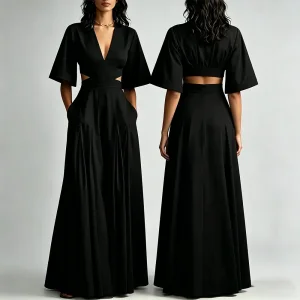
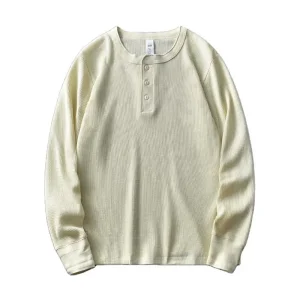
Explore our technical fabric engineering, diverse custom styles, and multi-category production capabilities for global apparel brands.
The A-Line skirt is a cornerstone of global women's fashion, representing a reliable and highly demanded garment silhouette across premium, mid-tier, and mass-market retail spaces. Originating as a classic design characterized by its flared shape resembling the letter "A," the modern A-Line skirt has evolved into a highly technical garment requiring precision engineering in drape, structural stability, and materials science.
Market projections indicate steady demand for structured and pleated A-line silhouettes driven by office-wear normalization and a resurgence in vintage-inspired consumer aesthetics across North America, the EU, and Asia-Pacific regions.
Global apparel brands face several challenges: ensuring fit consistency, managing fabric shrinkage, maintaining structural integrity after repeated washing, and securing low-MOQ options for rapid market testing. By leveraging a specialized OEM/ODM manufacturer, brands can mitigate these risks and secure high-quality inventory on short lead times.
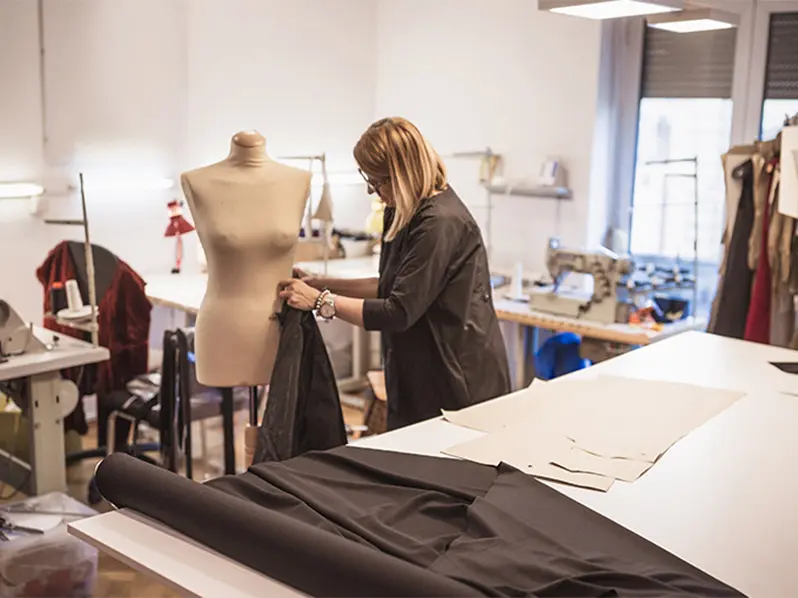
The visual appeal of an A-Line skirt depends entirely on its structure, which requires careful pattern drafting and mechanical balance. The sweep angle (the rate of flare from the hip to the hem) must be mathematically calculated to prevent the fabric from pooling or collapsing inwards. This drafting process requires a deep understanding of fabric mechanics, grainline orientation, and bias-cut calculations.
For mid-to-heavyweight skirts (such as gabardines, wool blends, and jacquards), patterns must compensate for fabric stiffness. Without proper pattern correction, stiffness can cause unappealing side-seam flare. Conversely, lightweight materials (like modal, viscose, and linen-cotton blends) require interlining at the waistband and structural support along the hems to retain their signature shape.
Using advanced computerized CAD nesting systems, we optimize marker efficiency to reduce fabric waste by up to 14%. This helps control cost per unit while ensuring pattern alignment remains intact across all sizes.
Why global fashion entities trust Dongguan City Xinhui Apparel Co., Ltd. as their primary manufacturing partner.
Proven OEM & ODM capabilities, translating hand-drawn concepts or tech packs into production-ready physical patterns with ease.
A dedicated cross-border account team that understands technical specifications, fit requirements, and sourcing standards.
Lower your inventory risk. Launch capsule collections or test regional market demand without committing to massive production runs.
Visualize structural patterns, seam placements, pocket alignments, and decorative trims prior to physical sample cutting.
Every piece undergoes step-by-step raw fabric testing, inline seam checks, and final audits to ensure zero-defect exports.
Equipped to handle complex detailing, from multi-tier gathers and tailored box pleats to asymmetrical lines and utility cargo additions.
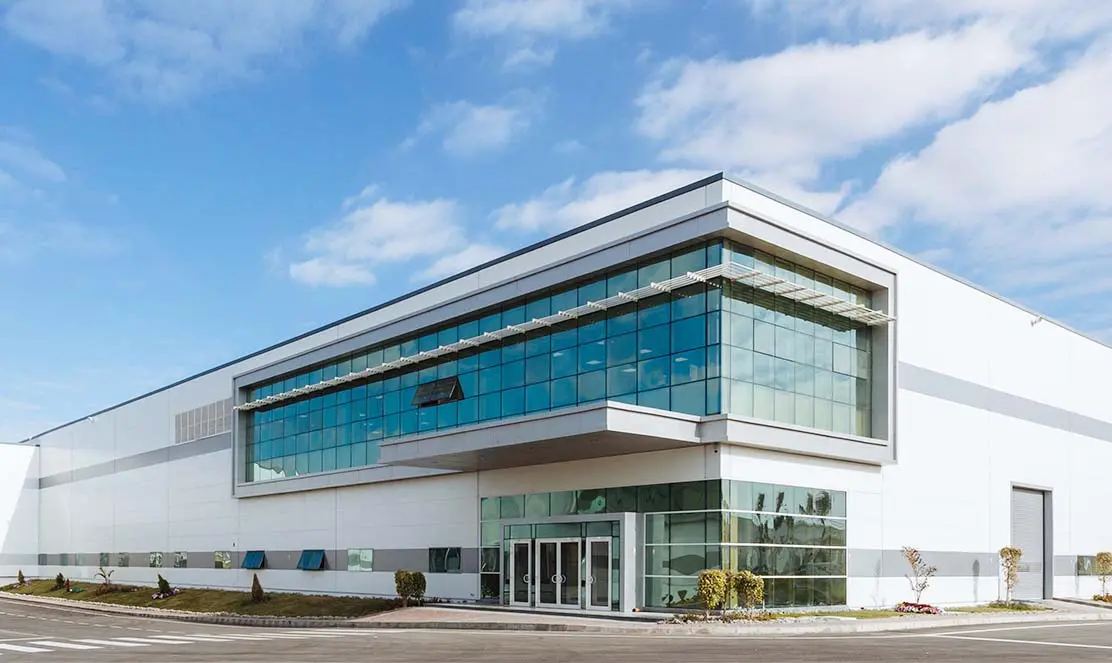
Based in Humen Town, Dongguan City—widely recognized as the "Famous Garment Town of China"—Dongguan City Xinhui Apparel Co., Ltd. sits at the center of the global textile supply chain. This location provides access to vast fabric raw material markets, specialized accessory suppliers, and highly skilled garment craftsmen. This concentration of resources helps reduce overhead costs and speeds up raw material sourcing.
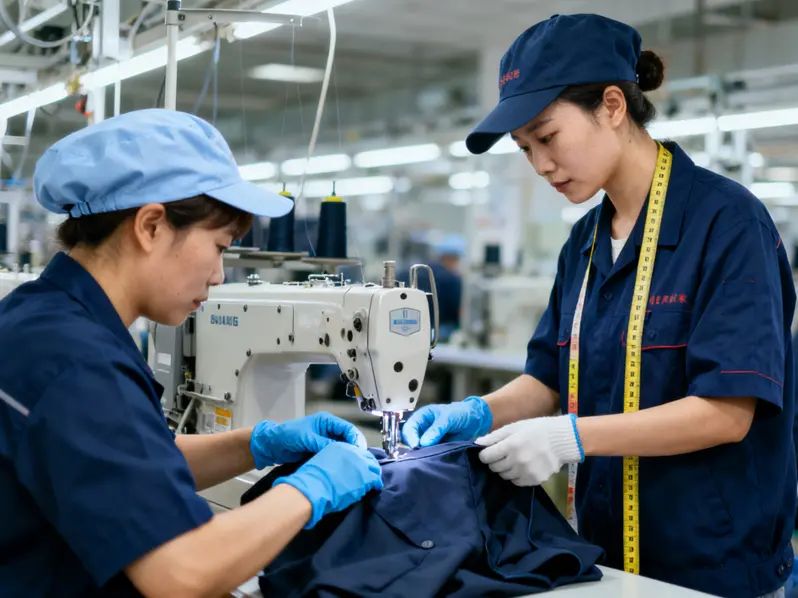
Our infrastructure includes an in-house washing facility, which gives us full process control over finishing. Whether you need denim A-Line skirts that require stone washing, or linen/cotton blends that require enzyme washes to achieve a soft hand-feel, we manage the entire finishing process in-house. This prevents dye bleeding, manages shrinkage, and ensures consistent texture across production runs.
We work with international brands across the United States, the United Kingdom, Canada, and Australia, maintaining a strong reputation in the garment export market through reliable quality control and professional service.
Unlike standard mass-production factories, our core focus is providing a complete customization service. We offer diverse printing and embroidery options to help brands create unique product lines:
Our engineering process begins with a tech pack or design drawing, moves through digital patterning and sample creation, and proceeds to bulk production and final AQL 2.5 quality control checks.

Ensuring your supply chain complies with local laws, environmental certifications, and high quality standards.
We source raw materials from mills holding OEKO-TEX Standard 100, Global Recycled Standard (GRS), and organic cotton certifications.
Our facilities follow local environmental laws, chemical waste regulations, and labor standards to protect your brand reputation.
We provide comprehensive export documentation, commercial invoices, and customs certificates for delivery to the US, EU, and UK.
Technical and logistical answers to help guide your sourcing, fabric selection, and production timeline planning.
Our standard Minimum Order Quantity (MOQ) starts at 30 pieces per style. This low requirement is designed to help brands test new markets, launch capsule collections, and manage inventory risk without committing to large volumes.
Fabric weight and drape characteristics determine the structure of an A-Line skirt. Heavy materials like wool, denim, and structured twills hold a sharp, geometric "A" shape. Lighter fabrics like viscose, rayon, or thin modal drape closer to the body. We select matching interlinings or adjust the pattern sweep to achieve the desired silhouette for each fabric choice.
Our in-house washing facility allows us to control the finishing process, which is critical for handling fabric shrinkage, stabilizing dyes, and creating custom washed textures (such as denim enzyme washes, garment-dyed finishes, and silicone softening). In-house management helps prevent common issues like side-seam twisting or color bleeding.
We typically complete initial sample mock-ups and physical prototypes in about 2 weeks. Once the sample is approved and materials are sourced, bulk production takes between 3 to 5 weeks, depending on style complexity and order volume. Shipping times vary based on the destination and choice of carrier (air or ocean freight).
We use professional 2D and 3D CAD pattern-grading software to customize dimensions for different regions. We adjust grade rules to ensure proportional fit scaling across our full size range, from petite to plus sizes, tailored to your brand's target demographic.
We source materials from textile mills that hold OEKO-TEX Standard 100, Global Recycled Standard (GRS), and organic certification (GOTS). Our production facilities comply with local environmental regulations and labor standards, supporting sustainable sourcing practices.
Explore additional product categories, including customized sportswear, knitwear, and structured outerwear.
 Xinhui Apparel