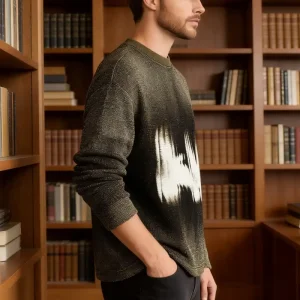
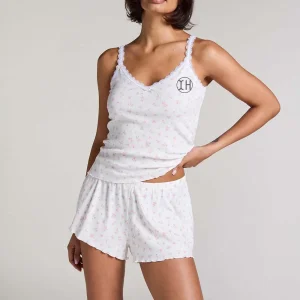
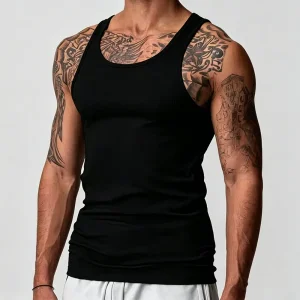
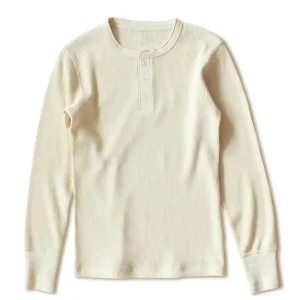
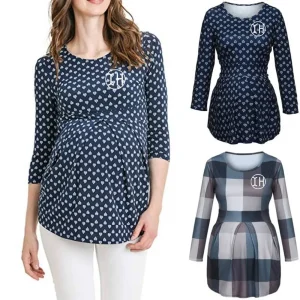
Discover our custom design capabilities spanning casual essentials, loungewear, and high-performance maternity garments.



How fabric engineering is bridging the gap between natural structure and ergonomic elasticity.
For centuries, linen has remained the gold standard for warm-weather dressing, celebrated for its exceptional breathability, moisture-wicking characteristics, and classic organic texture. Derived from the resilient flax plant (Linum usitatissimum), natural linen possesses a crystalline molecular structure that contributes to its renowned high tensile strength. However, this same molecular rigidity presents distinct disadvantages in the contemporary apparel market: a complete lack of stretch, susceptibility to sharp creasing, and mechanical stress failures at critical seams. Under traditional weaving constraints, pure linen garments restrict movement, making them less suited for the hybrid work-leisure lifestyle of modern consumers.
To address these macro-level consumer demands, modern textile engineers have pioneered the development of stretchy linen blends. By systematically integrating elasticating polymers such as spandex (elastane) or blending flax fibers with soft, semi-synthetic modal or viscose fibers, factories can retain the authentic tactile appeal and micro-ventilation of linen while introducing multi-directional stretch. The resulting fabric yields under tension and dynamically returns to its original configuration, significantly mitigating the severity of wrinkles and ensuring all-day ergonomic comfort.
As a leading garment manufacturer, we analyze these material shifts at a granular level. We leverage advanced spinning techniques to core-spin spandex filaments inside high-grade linen yarns, producing a textile that boasts the classic texture of natural flax on the exterior, while concealing the elastomeric core that provides 3% to 7% mechanical stretch. This technical approach guarantees that the garment retains the sophisticated luster and irregular slub profile of premium linen while offering the performance metrics expected of modern athleisure wear.
A deep dive into the yarn blends, densities, and physical properties that define premium stretchy linen pants.
Developing high-performance stretchy linen requires a careful balance of raw materials. The mechanical limits of flax must be engineered to interface perfectly with synthetic elastomers without compromising the material's thermal conductivity. At our advanced Humen factories, we develop several core material pathways designed for varying market segments:
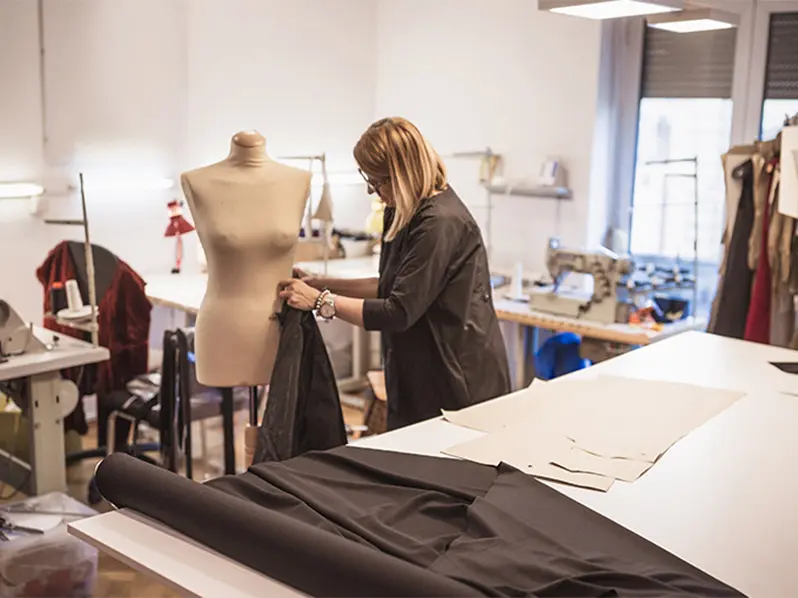
Located in Humen Town, Dongguan City, the renowned "Famous Garment Town of China."
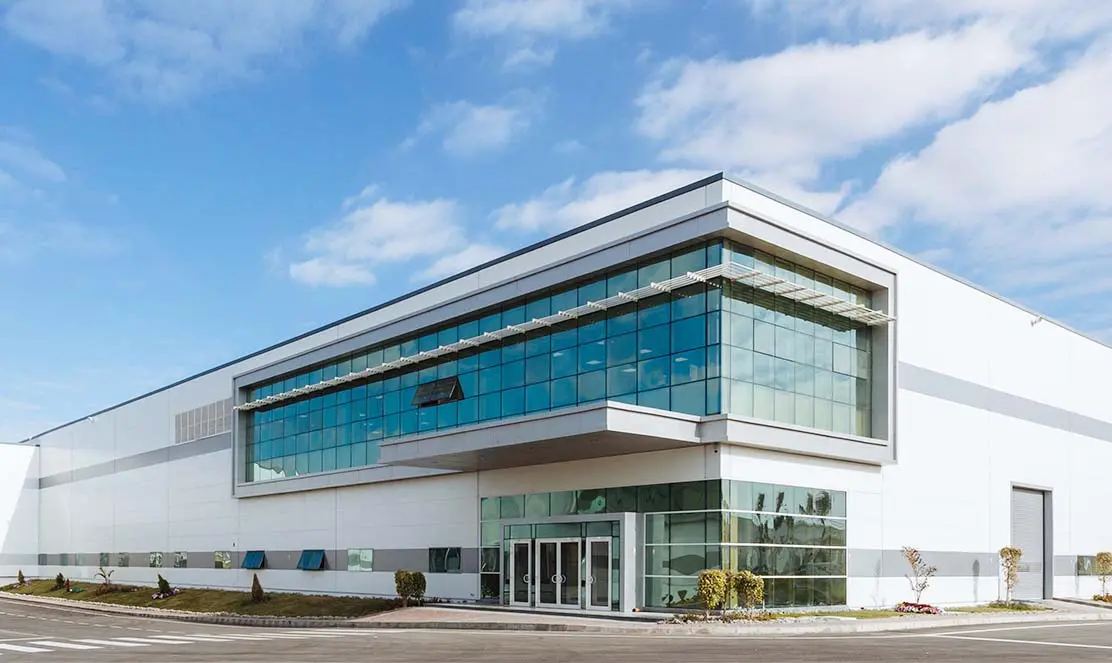
Dongguan City Xinhui Apparel Co., Ltd. is strategically located in Humen Town, Dongguan City, renowned as the "Famous Garment Town of China". Since our establishment, we have been deeply engaged in the garment export industry, offering over 10 years of clothing expertise as a proven OEM & ODM specialist. We are a professional manufacturer focusing on high-quality garment customization, production, and export.
With a dedication to craftsmanship and keen market insight, we have established long-term and stable cooperative relationships with overseas brands in multiple countries worldwide, including the United States, the United Kingdom, Canada, and Australia. Through these efforts, we have built a solid industry reputation in the international garment market.
An overview of our unique value proposition, agile manufacturing capabilities, and quality assurances.
Unlike our industry peers, Xinhui’s core competitiveness lies in our robust, full-process customization capabilities. We are fully equipped to execute complex embroidery, screen printing, heat transfer, and specialty wash treatments, providing global buyers with an integrated one-stop solution. This encompasses everything from concept drawing and digital pattern generation to direct fabric sourcing and customized trim development.
Whether we are manufacturing streetwear staples like oversized graphic T-shirts, premium fleece hoodies, comfortable joggers, and functional activewear, or elegant women's wear including tailored dresses, silk blouses, and complex jumpsuits, we translate our clients' unique ideas into physical reality. Our pattern-makers and engineers utilize state-of-the-art Gerber CAD systems alongside automated CNC cutting tables, ensuring that every fabric panel is cut along the grain. This level of technical care prevents twisting in the final garment, helping B2B buyers build distinct and high-quality product lines.
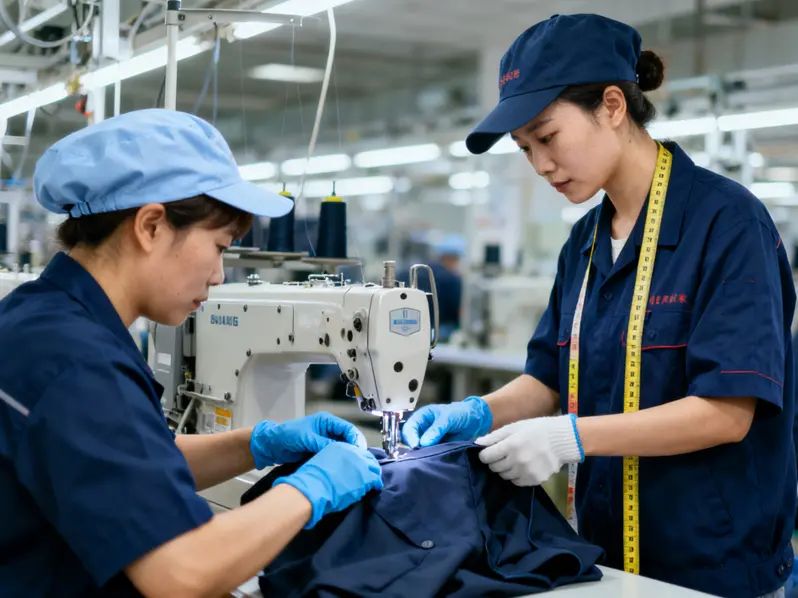

At Xinhui Apparel, we believe that high-quality production relies on a structured, professional team. Our factory floor is managed by senior technicians with decades of garment manufacturing experience, supervising every stage of production. From raw fabric inspection to final seam pressing, our workers ensure that every stitch meets strict quality standards.
Supporting our production floor is an efficient, customer-focused international trade team. We bridge the communication gap between overseas design offices and our factory floor. Our customer service representatives provide prompt updates and transparency throughout the sampling, production, and shipping phases. This alignment establishes Xinhui as a reliable B2B apparel partner for brands worldwide.
The foundation of Xinhui Apparel stems from a clear vision: to supply international consumers with well-made, personalized clothing by utilizing the robust manufacturing infrastructure of Southern China. Recognizing the growth potential in Humen's mature industrial garment belt, our founder established the factory to connect local manufacturing expertise with global market demands. What began as a workshop handling small-batch overseas orders has grown into a structured manufacturing partner. Today, we work closely with boutique labels and established apparel brands across the globe, providing reliable B2B supply solutions that support our partners' business growth.
Maintaining strict production standards to deliver consistent quality for every production run.
Producing high-quality stretchy linen trousers requires precise tension management throughout the manufacturing process. Unlike stable, non-stretch fabrics, elasticated linen blends are sensitive to temperature, moisture, and mechanical pulling. Below is a summary of the technical quality control protocols we implement at our Humen facility:
By implementing these steps, Xinhui ensures that every shipment meets the high standards required by B2B buyers in competitive retail markets. Our target is to maintain a defect rate of under 1.5%, which we achieve through structured QA inspections at the raw material, inline, and final packaging stages.
Meeting international standards to ensure smooth importing and compliance across major global markets.
Entering premium B2B retail spaces in the USA, UK, EU, and Australia requires strict adherence to environmental and safety regulations. As an export-oriented manufacturer, Xinhui Apparel ensures our materials and production processes comply with global safety standards:
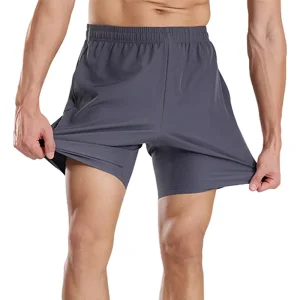
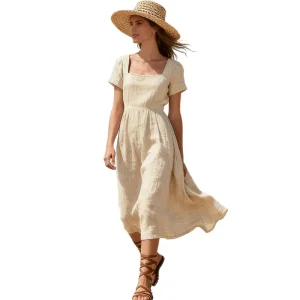
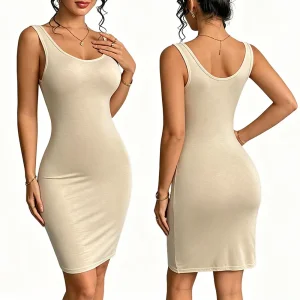
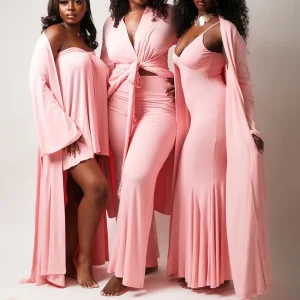
Explore our expanded collection of custom apparel styles, designed for international resort wear, activewear, and pajama lines.
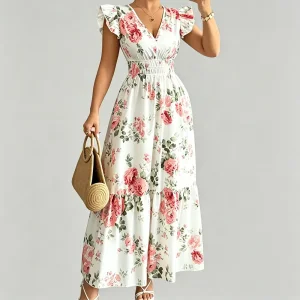
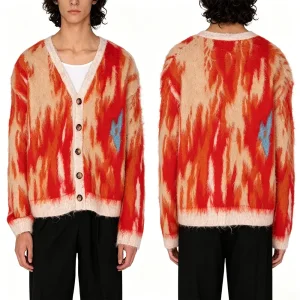
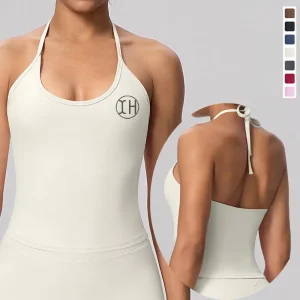
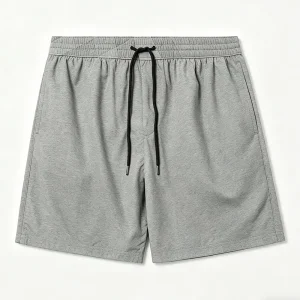
Developing innovative, plant-based materials and sustainable production workflows for the global apparel industry.
The global textile sector is moving toward circular manufacturing. Traditional elastane, derived from petrochemical processing, faces challenges under modern environmental regulations due to its synthetic makeup and microplastic breakdown. Xinhui Apparel is actively researching new material alternatives to provide brands with sustainable stretch options:
Through these developments, Xinhui Apparel aims to provide retail brands with premium apparel solutions that balance comfort, functional performance, and environmental responsibility.
Clear answers to technical, logistical, and production questions regarding our stretchy linen pants manufacturing.
 Xinhui Apparel