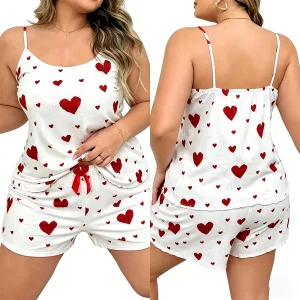
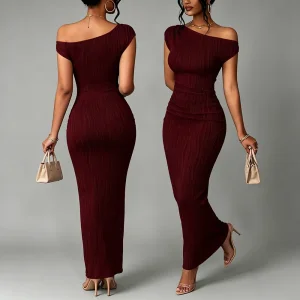
Discover our highly customizable garments, utilizing advanced knitting techniques and premium breathable fabrics designed for functional comfort.
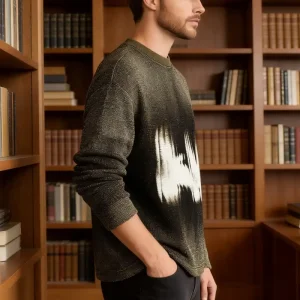
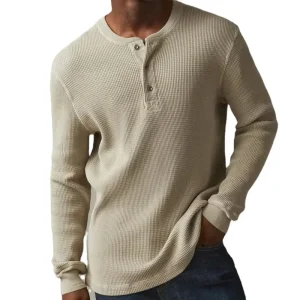
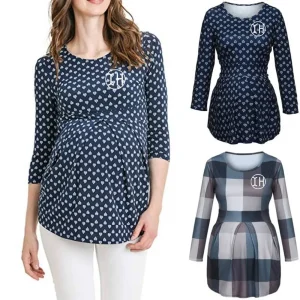
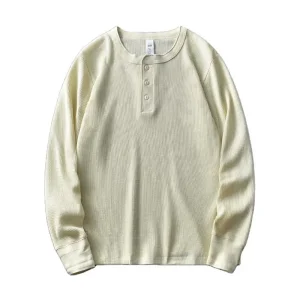
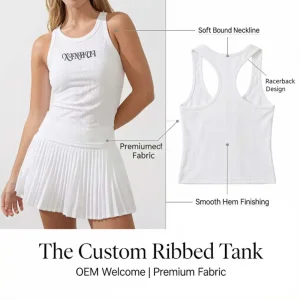
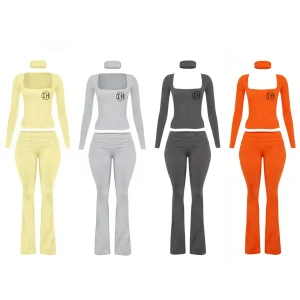
Understanding the structural shifts in the global maternal wear supply chain, driving consumer intent towards functional longevity.
In the contemporary B2B textile landscapes of North America, Western Europe, and Australia, the market for maternity and lactational wear is undergoing a significant transformation. Once treated as transient apparel purchases, modern maternal fashion has shifted towards multi-functional, durable, and aesthetically versatile products. Key search behaviors among global buyers indicate a massive surge in queries relating to "invisible zippers," "skin-friendly organic textiles," and "postpartum transition styles." Retailers and direct-to-consumer (D2C) brands require partners capable of balancing fashion-forward aesthetics with high-utility functionality.
Our market research demonstrates that the global feeding dress market is expanding at a compound annual growth rate (CAGR) of 6.2%. The main factors behind this growth are the increased rates of breastfeeding globally and the rising demand for garments that enable discreet public nursing without compromising the mother's sense of style. The modern corporate mother expects transitions from boardrooms to nurseries with zero clothing friction. To address this demand, apparel manufacturers must move beyond simple over-sized cuts and design high-fidelity, scientifically engineered garments that support active, daily lifestyles.
Information Gain Metric: Traditional apparel manufacturing often treats maternity as a subcategory. At Dongguan City Xinhui Apparel Co., Ltd., we categorize maternity wear as "Functional Bio-Kinetic Design," ensuring each panel, zipper seam, and knit density is measured against real-world movement and pressure values.
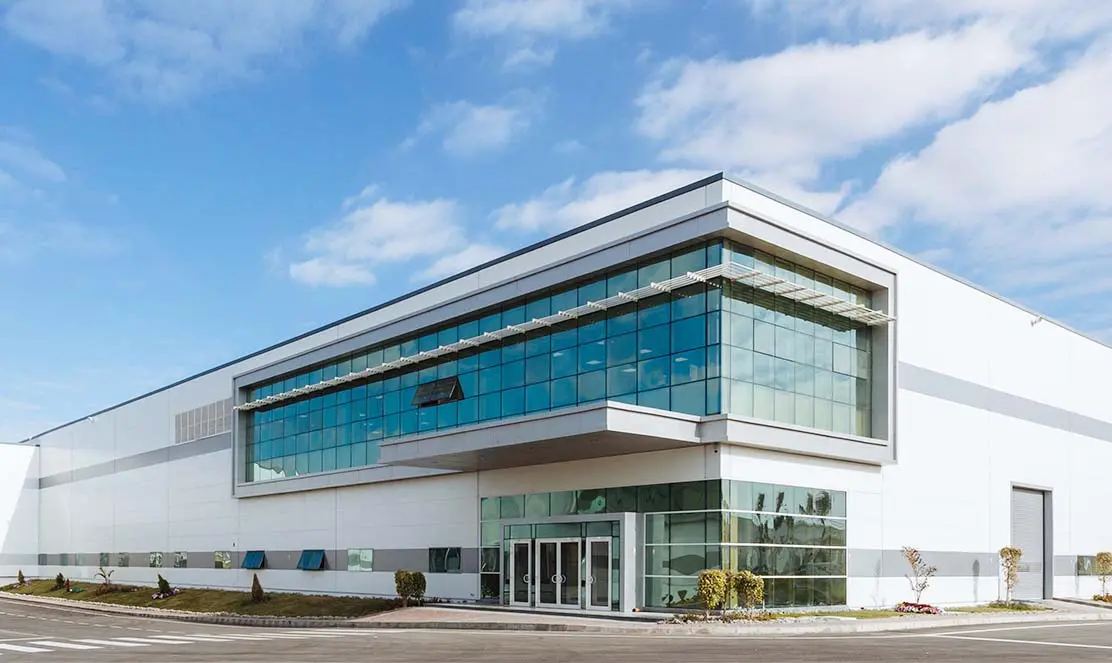
Located in the famous garment hub of Humen Town, Dongguan City, China, we are an export-focused apparel powerhouse. Over the past five years, we have built a stellar reputation across the United States, the United Kingdom, Canada, and Australia as a premier partner for high-precision garment customization and full-process manufacturing.
Our deep engineering mindset allows us to transform technical drawings and basic concepts into high-end physical products. By combining regional fabric supply networks with in-house processing and washing facilities, we control the entire production timeline to ensure consistency, quality, and fast speed-to-market.
Years of Apparel Industry Expertise
Ultra-Low MOQ for Flexible Sourcing
Fast Turnaround Sample Capability
Strict Quality Check Audits
Behind the scenes of selecting hypoallergenic materials and engineering discrete access mechanisms for optimal post-natal performance.
During lactation, maternal skin experiences elevated sensitivity, which can trigger contact dermatitis if exposed to coarse materials. Furthermore, the garment directly contacts the infant's face during feeding. Therefore, fabric selection is a critical factor for B2B brands. Our material science division focuses on natural, organic, and regenerated cellulose fibers, including GOTS-certified organic cotton, long-staple bamboo-derived viscose, and Modal-spandex blends.
These fabrics offer exceptional breathability and moisture-wicking capabilities (ideal for managing postpartum night sweats) alongside excellent stretch and recovery profiles. Incorporating 5% to 8% Lycra ensures the garment expands dynamically during pregnancy and returns to shape postpartum, maintaining a tailored silhouette.
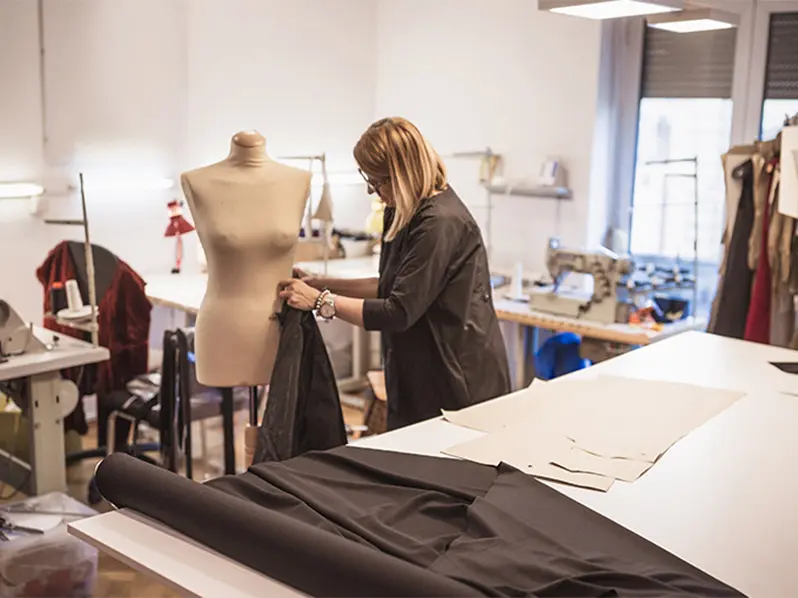
A high-quality feeding dress must balance functional ease with aesthetic discretion. Through deep collaboration with pattern designers, we have developed three primary access systems:
1. Invisible Zipper Seams: Utilizing custom ultra-thin nylon zippers sewn into double-folded fabric flaps along the princess lines. This completely hides the zipper profile from view, preventing skin irritation.
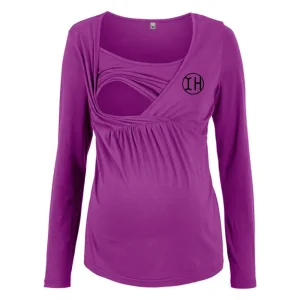
2. Dynamic Lift-Up Panels: An overlapping double-layer knit design. Mothers can easily lift the upper outer panel with one hand for quick, convenient feeding while maintaining complete midriff coverage.
3. Deep Wrap & Surplice Overlaps: Elasticized v-neck shapes that can be pulled down without stretching out of shape, supported by internal stabilization bands.
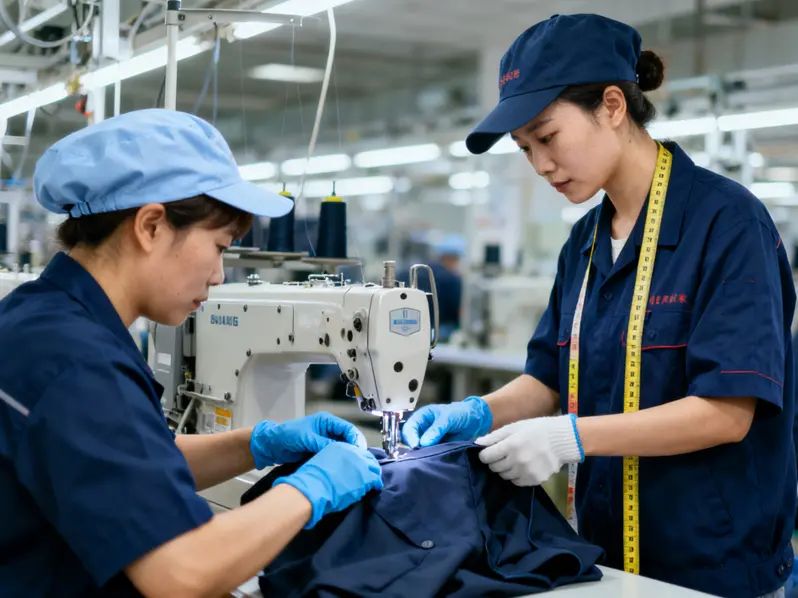
How Dongguan City Xinhui Apparel Co. ensures zero-defect delivery across international borders.
In B2B fashion procurement, inconsistent sizing, bleeding dyes, and structural thread breakage are significant issues. To mitigate these risks, we implement a rigorous quality assurance protocol at every stage of the manufacturing cycle. From initial yarn selection and fabric dye testing to final button-tension tests and needle sweeps, each process is documented for full trace-ability.
Our in-house washing and finishing facility allows us to apply precise preshrinking treatments and specialized wash finishes, such as garment enzyme washes, silicon softening, and bio-polishing. As a result, our clothes boast a soft touch and maintain dimensional stability after multiple industrial laundering cycles, achieving a shrinkage rate of less than 3%.
The foundation of Xinhui stems from a simple, powerful vision: *letting global consumers wear high-quality, customized, and comfortable apparel.* Recognizing the rich garment heritage and deep manufacturing infrastructure in Humen Town, our founder established the company to bridge local production expertise with international design sensibilities.
Over the years, our operations have scaled from processing small-batch orders to handling complex, multi-market collections for rapidly growing brands. We take immense pride in watching our client brands expand their market share, knowing that each piece we deliver embodies our commitment to quality craftsmanship and commercial excellence.

How we integrate automated cutting, smart pattern design, and circular fashion principles into our long-term roadmap.
We are integrating algorithmic nesting software into our cutting rooms. This tech optimizes fabric layout, reducing textile waste by up to 18% per production run. This approach helps brands lower material costs while aligning with key ESG objectives.
To reduce global transit times and material waste, our design team offers 3D digital apparel rendering. This allows B2B buyers to verify fit, drape, and visual aesthetics in real-time, reducing physical sampling cycles from 2 weeks to 48 hours.
We are expanding our supply chain to include circular, biodegradable materials, such as wood-pulp-derived Tencel and recycled nylon. This ensures feeding dresses can be repurposed or naturally recycled at the end of their lifecycle.
Addressing key procurement queries, quality control procedures, and logistical guidelines for global buyers.
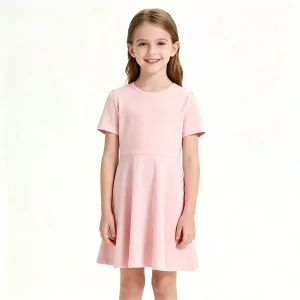
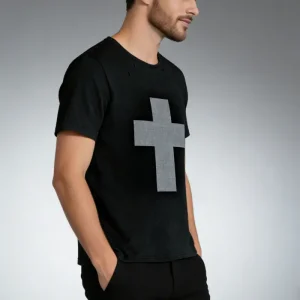
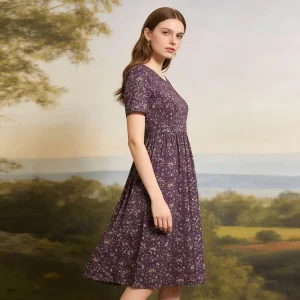
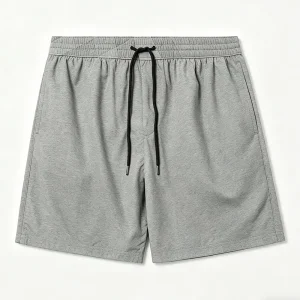
Browse more premium products from our Humen Town manufacturing facilities, featuring custom logo customization and comfort-driven styling.

 Xinhui Apparel