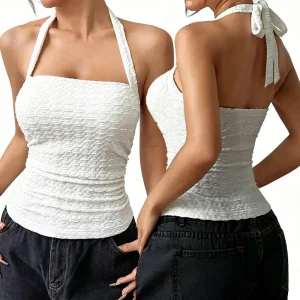
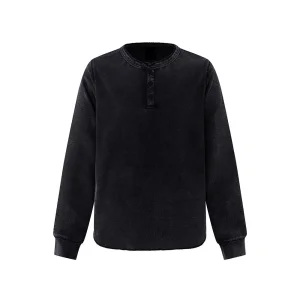
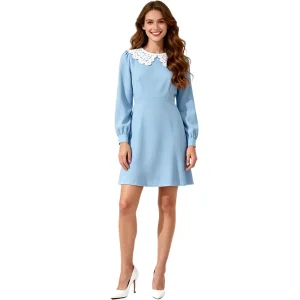
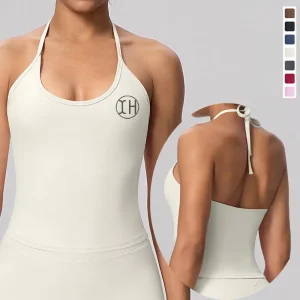
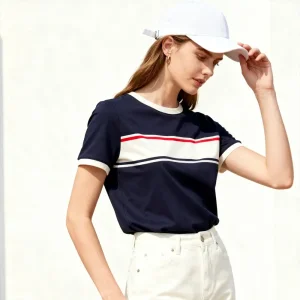
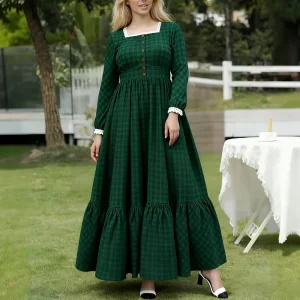
High-End OEM/ODM Manufacturing, Smart Supply Chain Engineering & Global Logistics Integration
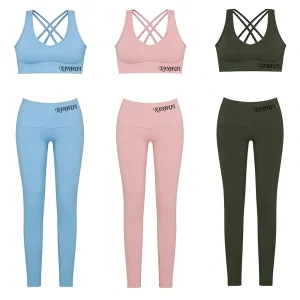
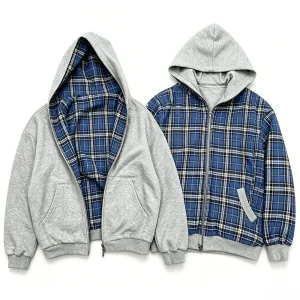
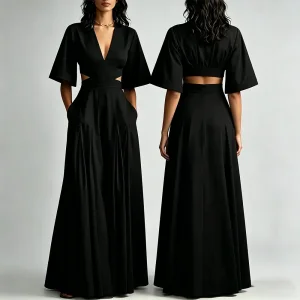
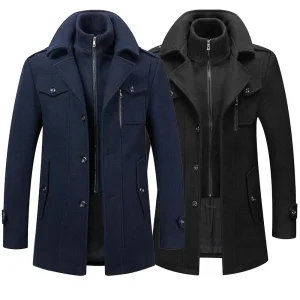
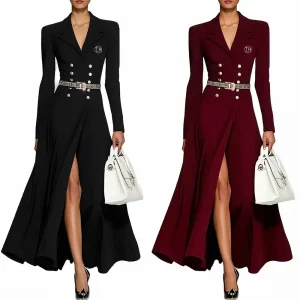
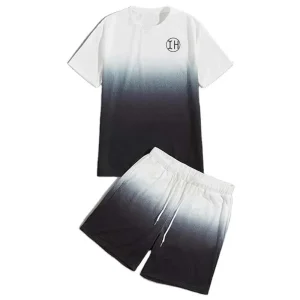
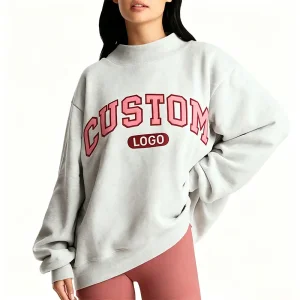
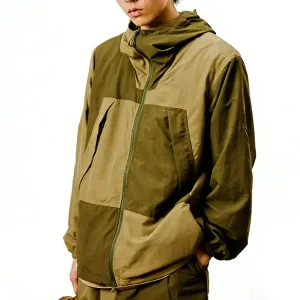
Discover our diverse OEM/ODM capabilities, extending from luxury structured outerwear to technical casualwear, manufactured under rigorous quality controls.
Decoding how a historic military garment transitioned into a cornerstone of contemporary high-end luxury outerwear portfolios.
The classic camel coat, originally designed for utility and warmth, has undergone a massive structural transformation. Today, the oversized silhouette camel coat reigns supreme in both luxury retail and high-street fashion. Rather than representing a passing seasonal fad, this trend reflects a fundamental shift in user intent: global consumers are demanding garments that offer effortless luxury, comfort, versatility for layering, and a bold aesthetic statement.
For B2B buyers, retailers, and private labels, the oversized camel coat is a high-margin anchor product. Sourcing it successfully requires an understanding of advanced pattern engineering. The "oversized" look must not appear baggy or poorly constructed. Instead, it relies on dropped shoulders, structured lapels, precise underarm sweep adjustments, and optimized draping mechanics to maintain an elegant profile across varying size ranges.
"An optimal oversized coat is engineered, not upsized. It maintains the neck, wrist, and hem integrity while amplifying structural volume."

Understanding the engineering metrics that differentiate high-grade double-faced wool coats from average fast-fashion imitations.
A true premium oversized camel coat lives and dies by its fabric specifications. Global procurement departments focus heavily on composition, weight, weave structure, and raw material provenance to satisfy increasingly discerning consumers. Below is the technical breakdown utilized by top-tier suppliers like Dongguan City Xinhui Apparel Co., Ltd.:
| Fabric Characteristic | Premium Specification | B2B Sourcing Value Proposition |
|---|---|---|
| Composition | 100% Virgin Wool, Wool-Cashmere Blend (10%-30% Cashmere), or Pure Camel Hair | Guarantees soft hand-feel, superb thermal regulation, and high-quality drape. |
| Fabric Weight | 750g/m² to 900g/m² (Grams per Square Meter) | Ensures proper structural weight, preventing the oversized silhouette from collapsing. |
| Weave Type | Double-Faced (Double-Weave) Interlocked Construction | Allows for clean, unlined interiors with hand-stitched seams for a lightweight yet warm feel. |
| Finishing Methods | Zibeline (Ripple Ripple Effect) or Brushed Velour Finish | Produces a premium surface sheen, making the camel color pop under retail lighting. |
| Seams & Stitches | Hand-sewn edges (11-13 stitches per inch) or reinforced flatlock seams | Increases structural longevity and elevates the luxury appeal of private label pieces. |
From a manufacturing standpoint, managing the fabric drape is critical. During CAD pattern making, engineers must account for the mechanical stretch of heavy wool. If patterns are cut incorrectly relative to the grainline, the coat will warp after prolonged hanging, resulting in unbalanced hems. Partnering with a specialized factory that understands these textile dynamics prevents costly return rates and brand damage.
Why sourcing from Humen, Dongguan, provides unparalleled advantages in logistics speed, cost efficiencies, and material localization.
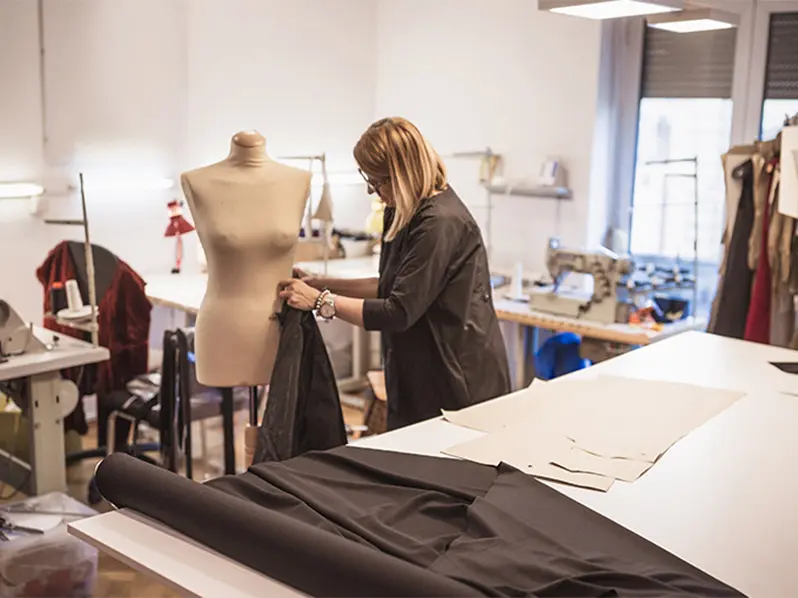
Situated in Humen Town, Dongguan City—widely recognized as the "Famous Garment Town of China"—Dongguan City Xinhui Apparel Co., Ltd. leverages a highly concentrated industrial ecosystem. This geographical hub combines textile mills, trim factories, advanced pattern-making software companies, and global logistics corridors into a single efficient network. This high-density cluster dramatically lowers lead times for material sourcing and prototype testing.
Furthermore, China's Factory 4.0 evolution integrates digital pattern nesting, automated fabric lasers, and real-time ERP-tracked production lines. This means that custom adjustments (such as pocket shape changes, cuff tabs, custom metal hardware, or specialized internal lining prints) can be simulated digitally and executed rapidly. This minimizes material waste and guarantees consistent bulk quality.
How Dongguan City Xinhui Apparel Co., Ltd. creates unique value for global brands, fashion labels, and bulk distributors.
While industry standard factories demand high MOQs, Xinhui supports agile retail methods with minimum order quantities starting from just 30 pieces. This allows brands to test the waters with new oversized cuts before expanding order sizes.
We turn abstract design files, tech packs, or even mood board inspiration images into high-fidelity, production-ready production files. This minimizes design error rates and ensures accurate samples from the start.
With an integrated pattern studio and dedicated sample lanes, prototype samples are prepared and shipped out within 2 weeks. We support fast-paced fashion drops and critical buyer presentation deadlines.
Our systematic quality assurance protocols ensure that every piece is meticulously measured and scrutinized. We implement zero-tolerance checks on loose stitching, uneven collar placements, and fabric blemishes.
Our in-house commercial wet-processing and steam-finishing plants provide full control over shrinking rates, drape dynamics, and colorfastness. This creates a refined, ready-to-wear finish straight out of the box.
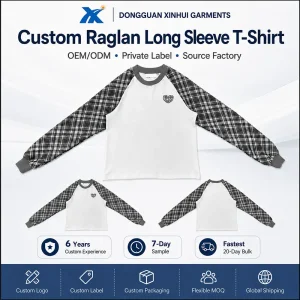
Whether you require intricate horn buttons, double-breasted closures, raglan sleeves, storm flaps, or integrated belt loops, our technical sewing teams handle high-difficulty garment engineering with ease.
Behind our garment collections stands a dedicated workforce committed to technical precision and professional client relations.
We believe that high-end production is only possible through structured, skilled teamwork. Xinhui’s production floors are populated with tailors who have spent decades perfecting wool-handling techniques. Their manual skills are paired with professional merchandisers who handle international communications, technical documentation, and transport coordination.
By using modern project management methodologies, our departments stay connected from design sign-off to final cargo loading. This ensures our global buyers receive proactive updates, comprehensive packing manifests, and zero-defect merchandise.
"From local pattern grading to international customs clearance, our team operates with the professional accuracy of a global enterprise."
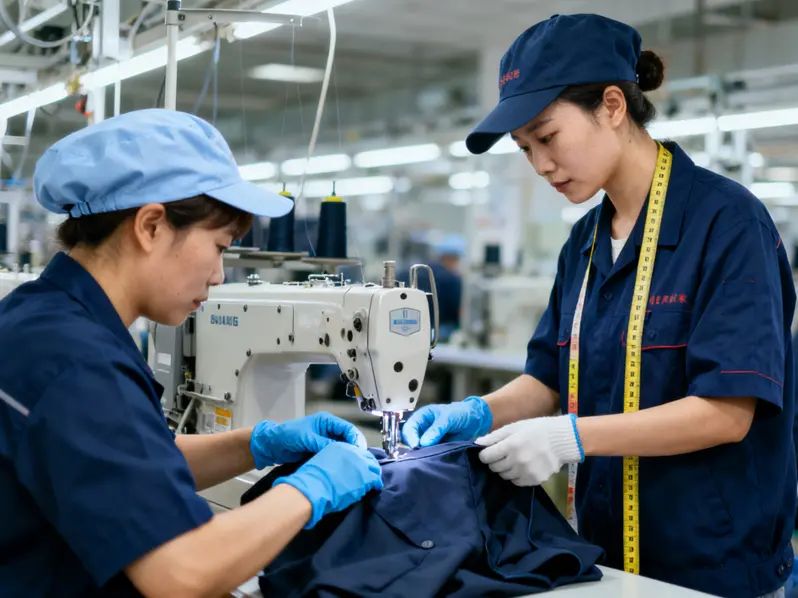
The history and founding mission of Xinhui Apparel: bringing quality manufacturing to independent brands worldwide.

Founded with the core belief that high-quality, customized apparel should be accessible to growing brands, Xinhui Apparel began as a small workshop in the heart of Humen. Over the years, we grew our operations by consistently delivering reliable product quality and maintaining transparent client relations. Today, we are proud to serve premium fashion brands across the United States, Canada, the United Kingdom, and Australia.
Our commitment remains unchanged: we bridge the gap between premium design ideas and complex factory production. Every oversized camel coat, athletic jacket, or structured dress we make represents our commitment to reliable B2B apparel production.
Analyzing regional retail variations and consumer needs for oversized outerwear across global markets.
The success of an oversized camel coat line relies on matching your inventory to regional climates, physical size averages, and styling preferences. When tailoring lines for different geographic regions, professional procurement teams should prioritize the following adaptations:
| Target Market | Primary Sizing Standard | Climate & Fabric Weight Adaptations | Design Preferences |
|---|---|---|---|
| North America (US & Canada) | ASTM Standard D5585 (relaxed fit adjustments) | Cold winter requirements call for heavy-weight (850g/m²+) wool and warm satin linings. | Deep side-slits, large pockets for phones/gloves, and classic double-breasted closures. |
| United Kingdom & Europe | EN 13402 Sizing System (tailored shoulder profiles) | Damp, cool seasons call for water-resistant finishes and breathable wool-cashmere blends. | Minimalist aesthetic, hidden button plackets, and matching self-tie belts for flexible styling. |
| Australia & East Asia | Slimmer, slightly shorter silhouettes (AS/NZS standards) | Mild winter climates require lightweight (600-700g/m²) double-faced unlined wool structures. | Drop-shoulder designs with clean lines, soft draping fabrics, and neutral pastel camel variations. |
By working with an experienced export manufacturer like Xinhui Apparel, you can adapt your designs for specific target markets. We adjust sleeve lengths, shoulder widths, and lining configurations to ensure your coats fit local sizing standards perfectly, minimizing customer returns.
Answers to critical questions regarding custom fabrication, minimum orders, quality control, and shipping logistics.
Browse our wide range of custom garment manufacturing services, designed to meet strict B2B specifications and delivery timelines.
 Xinhui Apparel