Buying Pretty Long Sleeve Blouses can feel simple until fabric, fit, and finishing details compete for attention. A photograph may show soft draping, while the delivered blouse feels stiff or transparent. That difference matters. Beautiful styling cannot repair uncomfortable shoulders or sleeves that twist after one wash.
Fashion mentor Tim Gunn offers a practical standard: “Make it work.” His advice applies well here. A blouse should suit your daily movement, wardrobe, climate, and confidence. A polished collar means little if the cuffs press against your wrists. Likewise, delicate lace may look charming, but it needs careful washing and thoughtful layering.
This guide presents seven useful tips for choosing Pretty Long Sleeve Blouses with greater confidence. It examines fabric weight, seam quality, sleeve length, neckline shape, color, sizing, and return policies. Small details often reveal the real value. Check whether buttons pull across the chest. Hold pale fabric near a window. Look for even stitching around the armholes.
Do not trust every product image.
Some recommendations may not work equally well for every body or lifestyle. I have learned that a “perfect” blouse can still fail during a long commute or a busy workday. Personal comfort deserves more weight than seasonal trends. Consider how the blouse feels while reaching, sitting, and layering under a jacket. The right choice should look attractive on the hanger and remain practical after repeated wear.
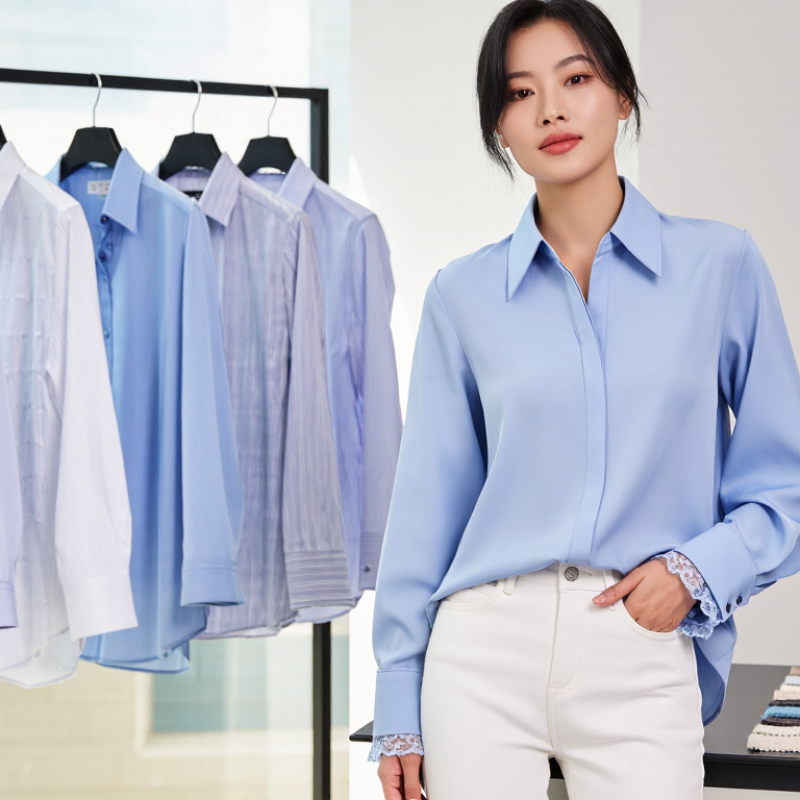
A pretty long sleeve blouse begins with its silhouette. A bishop sleeve gathers softly at the wrist, creating movement without looking heavy. A balloon sleeve feels bolder, while a straight sleeve suits a cleaner, professional outfit. Notice the shoulder seam. It should sit near your natural shoulder, not halfway down your arm.
Tip 1: Choose the sleeve shape before admiring the print.
Tip 2: Check whether the cuff closes comfortably.
Fabric changes the entire experience. Cotton poplin feels crisp and keeps a defined outline. Chiffon looks light but may need a camisole underneath. Satin reflects light beautifully, although it can reveal wrinkles quickly.
Tip 3: Hold the blouse near a window to check transparency.
Tip 4: Bend your elbows before buying. Tight fabric becomes annoying fast.
Necklines matter too. A tie-neck style adds softness, while a V-neck can lengthen the upper body. A high collar gives structure, but it may feel restrictive.
Fit is more complicated than a size label suggests. Measure your bust, shoulder width, and sleeve length, then compare them with the garment chart.
Tip 5: Leave gentle room across the chest. Buttons should lie flat.
Tip 6: Inspect the stitching around cuffs and armholes for loose threads.
Tip 7: Consider care instructions honestly. A blouse requiring constant pressing may remain unworn in a busy wardrobe.
I once chose a dramatic sleeve without checking coat compatibility. It looked lovely indoors, yet felt impractical outside. That mistake still influences how I shop.
7 Tips for Buying Pretty Long Sleeve Blouses
A beautiful blouse should feel comfortable before it looks impressive. In fitting rooms, I check how the fabric moves across my shoulders and elbows. Cotton poplin feels crisp and breathable, making it practical for offices and warm indoor spaces. Look for tightly woven threads and smooth seams. Loose stitching often weakens after repeated washing. Feel the fabric. Softness alone does not prove quality.
For summer, linen and linen-cotton blends release heat well, although pure linen wrinkles quickly. That relaxed texture can look elegant, but it may need frequent pressing. Lyocell offers a cool, fluid drape and usually feels gentle against sensitive skin. For cooler months, brushed cotton or a fine wool blend provides warmth without excessive weight. Check the label. Some fabrics described as “silky” are synthetic and may trap heat. Polyester blends can improve durability, but high percentages may reduce breathability.
Hold the blouse near a window to inspect opacity, especially with pale colors. A slightly heavier fabric often hangs better and shows fewer wrinkles. Test the buttons and cuffs; these small parts receive daily strain. I once bought a delicate blouse that looked perfect under store lighting. It became transparent outdoors. That mistake still influences my choices. Care instructions also matter. A washable fabric suits busy routines better than one requiring constant professional cleaning. Yet even easy-care materials can shrink or pill when washed too hot. Use cold water, gentle cycles, and enough space for the garment to move.
Choosing Fabrics for Comfort, Durability, and Seasonal Wear
This chart compares the typical moisture regain of common blouse fibers at standard textile-testing conditions of approximately 21°C and 65% relative humidity. Higher moisture regain generally indicates better moisture absorption and can feel more comfortable in warm or humid weather, while lower values usually mean faster drying. For a practical long-sleeve blouse, consider cotton or linen for breathable summer wear, viscose for a soft drape, wool for cooler seasons, and polyester or nylon blends when quick drying and wrinkle resistance are priorities.
A pretty blouse should skim the body, not fight it. Measure your bust, waist, and shoulder width before shopping. Use the garment’s size chart, not your usual label. Clothing sizes vary widely between sellers. The National Retail Federation’s 2023 Retail Returns Report estimated that 17.6% of online purchases were returned. Poor fit remains a practical reason to check measurements carefully. I have bought the “right” size and still missed the shoulder seam.
Check whether the shoulder seam rests directly on your shoulder bone. Pull gently across the bust. If the fabric forms horizontal strain lines, try a larger size or a roomier cut. If the blouse hangs heavily, consider a smaller size. Button spacing matters too. Gaps often signal insufficient bust ease. A professional fitting habit is comparing both body measurements and finished garment measurements. The second figure is easy to overlook.
Sleeve length Sleeve length should end near the wrist bone for a classic look. For a shorter arm, choose a bracelet-length sleeve instead of excess fabric. Tall shoppers may need extended sleeve measurements, not simply a larger body size. Bend your elbow and lift your arms before removing the tag. The cuff should move without exposing too much wrist. Tiny details matter. Fabric stretch can help, but it cannot correct a misplaced shoulder seam. Size charts are useful, though imperfect; personal movement is the final test.
Matching colors with your wardrobe makes a blouse easier to wear. In fitting rooms, I compare the fabric beside my usual trousers. This simple test reveals unexpected clashes.
Tip 1: Choose one color already present in your wardrobe. Soft blue works well with denim, gray, and cream.
Tip 2: Use warm shades with brown, beige, or olive clothing. Cool shades suit navy, charcoal, and white.
Tip 3: Check the color in daylight. Store lighting can make bright fabric look strangely flattering.
Tip 4: Keep patterns balanced. A small floral print feels calmer with solid trousers. Large checks need simpler accessories.
Tip 5: Repeat one pattern color elsewhere in your outfit. This creates connection without looking overly planned. I sometimes choose prints that seem beautiful alone, but they become difficult in daily outfits.
Tip 6: Match necklines to your existing layers. A V-neck fits neatly under a cardigan, while a high neckline works better alone.
Tip 7: Consider your face shape and jewelry habits. Open necklines leave room for a pendant; round necklines suit shorter necklaces. Also inspect sleeve cuffs and shoulder seams. They should sit smoothly, not pull when you reach forward. A pretty blouse still fails if movement feels restricted.
A pretty long-sleeve blouse deserves more than a quick mirror check. I once bought a soft, elegant blouse that lost its shape after three washes. It looked polished. It was not practical.
Check the fabric closely. Hold it toward light and inspect uneven weaving, loose threads, and weak seams. Pull the cuff gently. It should recover without puckering. Cotton can feel breathable, while polyester often resists wrinkles. However, fiber content alone does not prove quality. Textile Exchange’s Materials Market Report 2024 estimates that polyester represented about 57% of global fiber production in 2023, while cotton represented roughly 19%. The label tells you composition, not craftsmanship. Check button attachment, hem stitching, lining, and opacity too. Small details matter.
Care requirements affect overall value. A blouse needing frequent dry cleaning may become expensive and inconvenient. Look for clear washing instructions, color-fast fabric, and a shape that survives gentle laundering. WRAP’s Valuing Our Clothes report found that extending clothing life by nine months could reduce carbon, water, and waste footprints by about 20–30%. That figure makes durability worth examining. I still sometimes choose appearance over maintenance. That is a mistake. Calculate cost per wear: purchase price divided by realistic uses. A versatile blouse worn weekly may offer better value than a cheaper piece reserved for special occasions. Check the collar after movement, lift your arms, and sit down. Comfort is evidence too.
Cotton poplin, linen blends, and lyocell release heat well. Linen feels airy but wrinkles quickly.
No. Check the weave, seams, opacity, and fabric weight. Soft material can still wear out quickly.
Brushed cotton or a fine wool blend can provide warmth without excessive weight. Check the label carefully.
Hold it near a window, especially when choosing pale colors. Store lighting can hide transparency.
Test the buttons, cuffs, stitching, and shoulder seams. These small parts face daily strain.
Choose washable fabrics when possible. Use cold water, gentle cycles, and enough space for movement.
Measure your bust, waist, and shoulders. Compare those numbers with the garment’s size chart, not your usual label.
It should rest on your shoulder bone. A misplaced seam can make a blouse uncomfortable, even in the correct size.
They often show that the blouse is too tight. Try a larger size or a roomier cut.
Classic sleeves usually end near the wrist bone. Bend your elbows and lift your arms before removing the tag.
Not really. Stretch may improve movement, but it cannot correct a badly positioned shoulder seam.
Finished garment measurements. Body measurements alone may not reveal tight buttons, excess fabric, or short sleeves.
Buying Pretty Long Sleeve Blouses becomes easier when you know what to look for beyond appearance. Start by considering the blouse’s style and key details, such as relaxed or tailored cuts, cuff designs, button placement, and neckline shape. Choose fabrics according to comfort, durability, and season: lightweight materials suit warmer weather, while thicker or layered fabrics provide extra warmth. Always check the size guide and measurements, paying close attention to shoulder width, bust room, body length, and sleeve length. A well-fitting blouse should allow comfortable movement without looking too loose or restrictive.
For a versatile wardrobe, select colors and patterns that coordinate with your existing trousers, skirts, or jeans. Neutral shades offer flexibility, while tasteful prints can add personality. Before purchasing, examine stitching, seams, buttons, and fabric quality, and review the care instructions to ensure the blouse is practical to maintain. The best choice balances attractive design, reliable construction, comfortable fit, easy care, and reasonable long-term value.

Xinhui Apparel